
Catch and Release
The British sculptor Barbara Hepworth finishes my 12-day art focused essays honoring Mother's Day

Catch and release.

There are moments in life when you suddenly realize you are standing at the edge of change — heraldic moments after which nothing will ever be quite the same again.
I wonder if Barbara Hepworth felt that way when, as a young sculptor, she showed fellow art student Henry Moore how she pierced deep into the body of a sculpture and created a window or passageway through the form itself. By breaking the solid plane, she transformed sculpture — opening it to space, tension, breath, and a kind of fourth dimension.
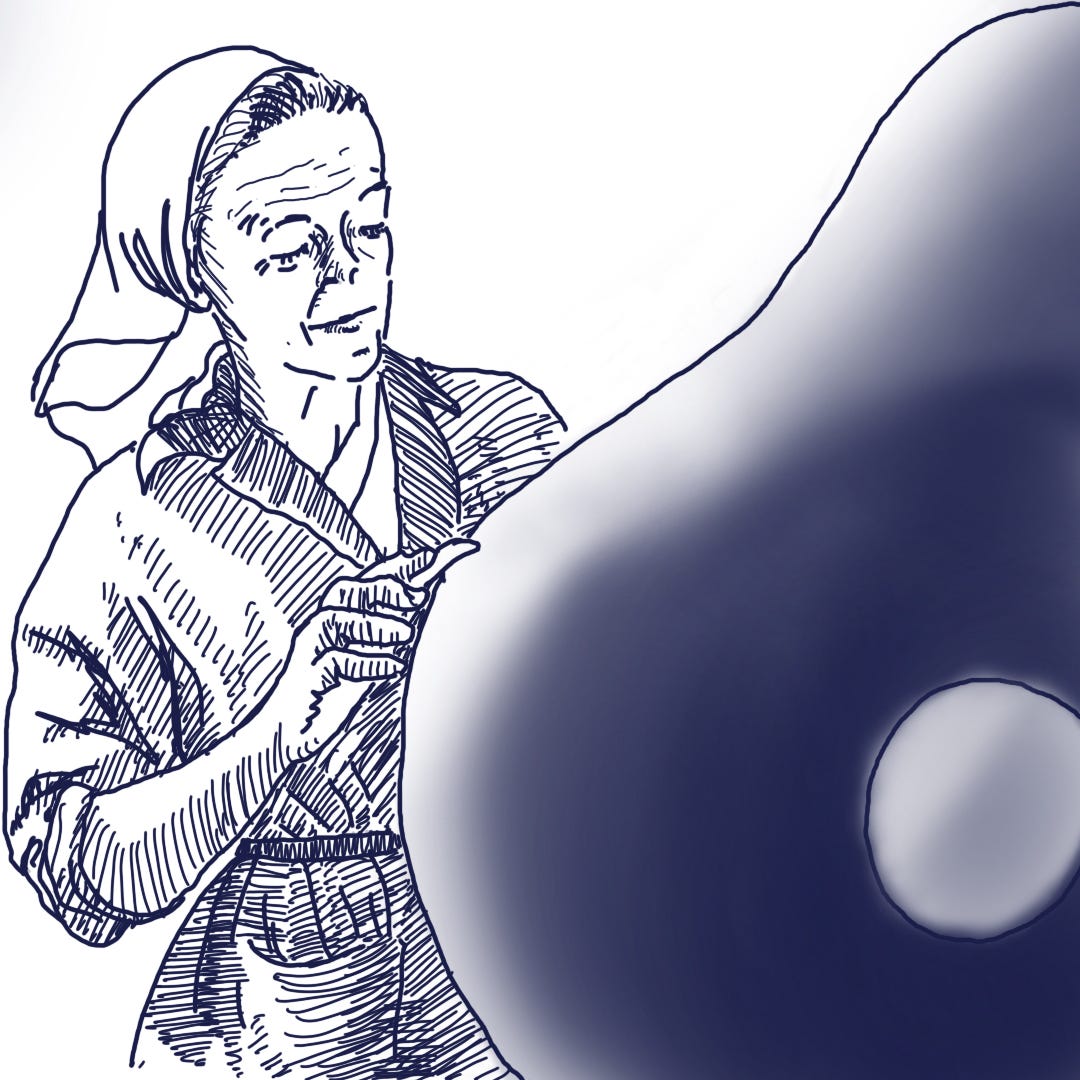
I cannot help but think the holes Hepworth carved into her sculptures speak a uniquely female language. So much of art history has celebrated the phallus as a symbol of masculine power and creation. But women are also containers and portals. We know fullness and emptiness. We carry life and we release it.
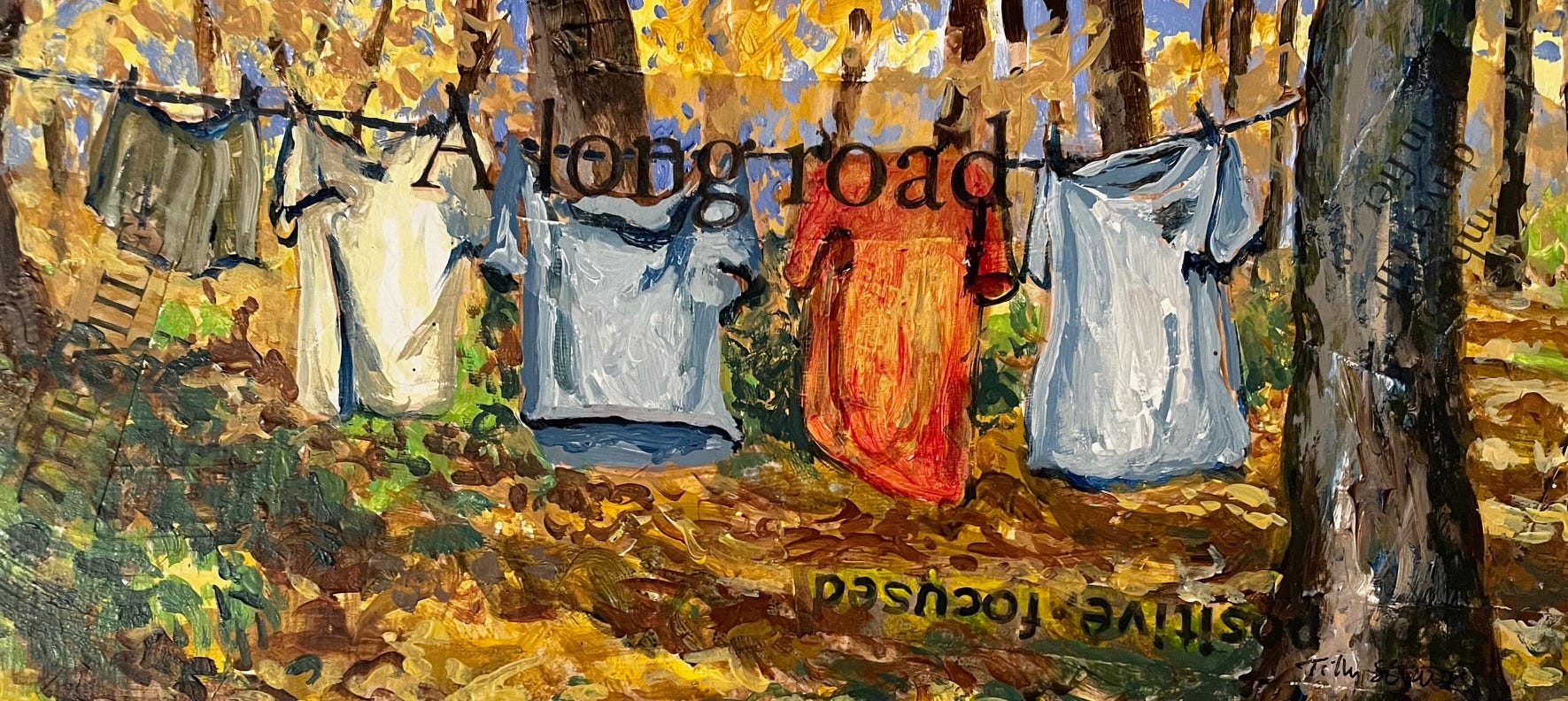
I felt something like this one hot August morning while hanging my son’s clothes on the clothesline before packing his luggage for his first year of college. The shirts looked impossibly large in my hands. Was my baby really that grown already? I could feel the shape of an absence forming before he had even left. His childhood had passed with terrifying speed. We were both standing at the threshold of new futures.
(insert painting of son’s clothes on clothesline)
Hepworth knew something about holding on and letting go. Already with one child, she gave birth to triplets, and during one difficult period, her lover returned to his wife, leaving her to navigate motherhood and her artistic practice largely on her own. Determined to continue her work, she placed her children for a few hours each day in a government-run nursery so she could sculpt. For this, she was judged harshly. The stigma of outsourcing childcare clung to her for much of her life, and she was often labeled a “bad mother.”
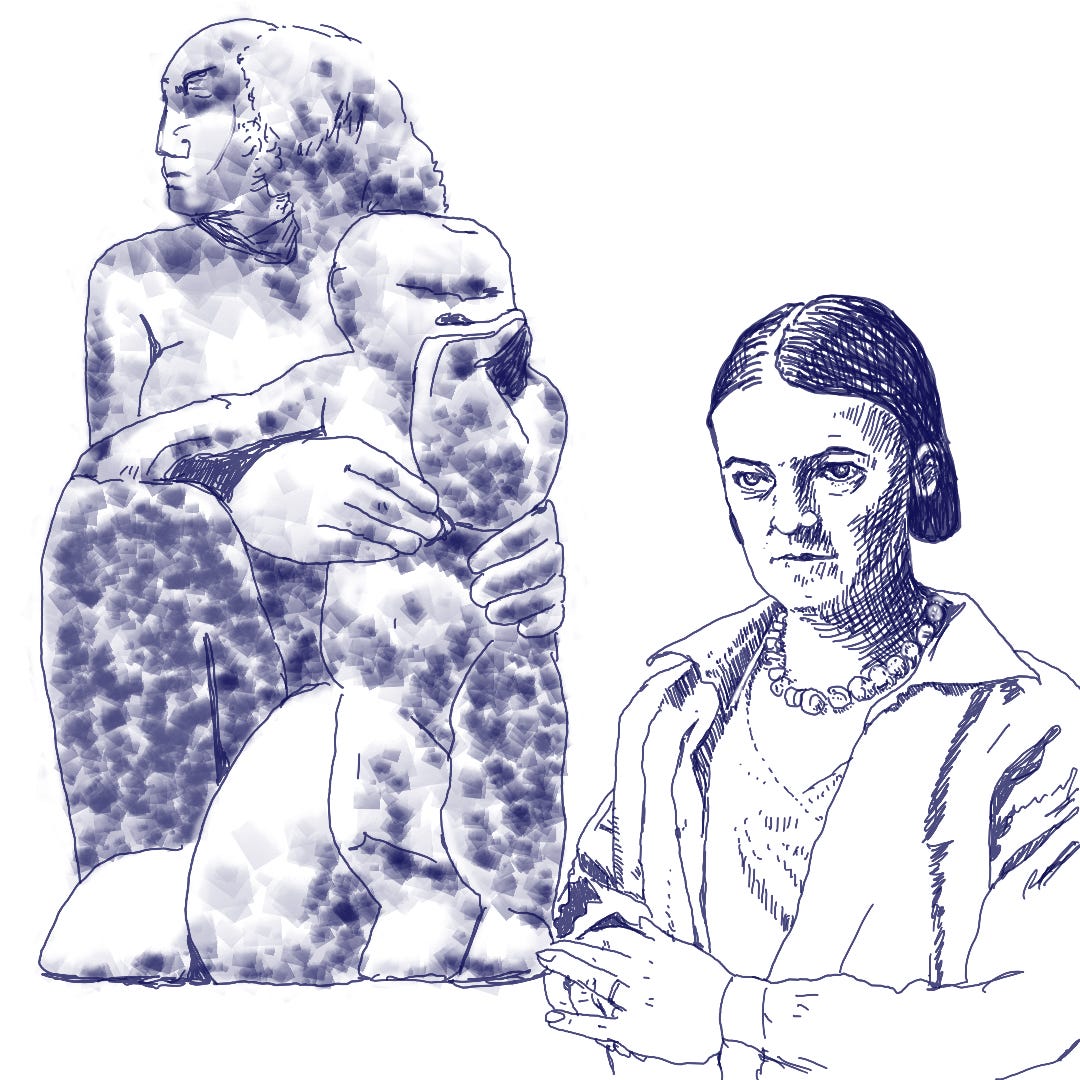
I wonder how much those pressures — the carving out of small pockets of time, the cultural scrutiny, the constant negotiation between care and selfhood — shaped the abstract language of her work.
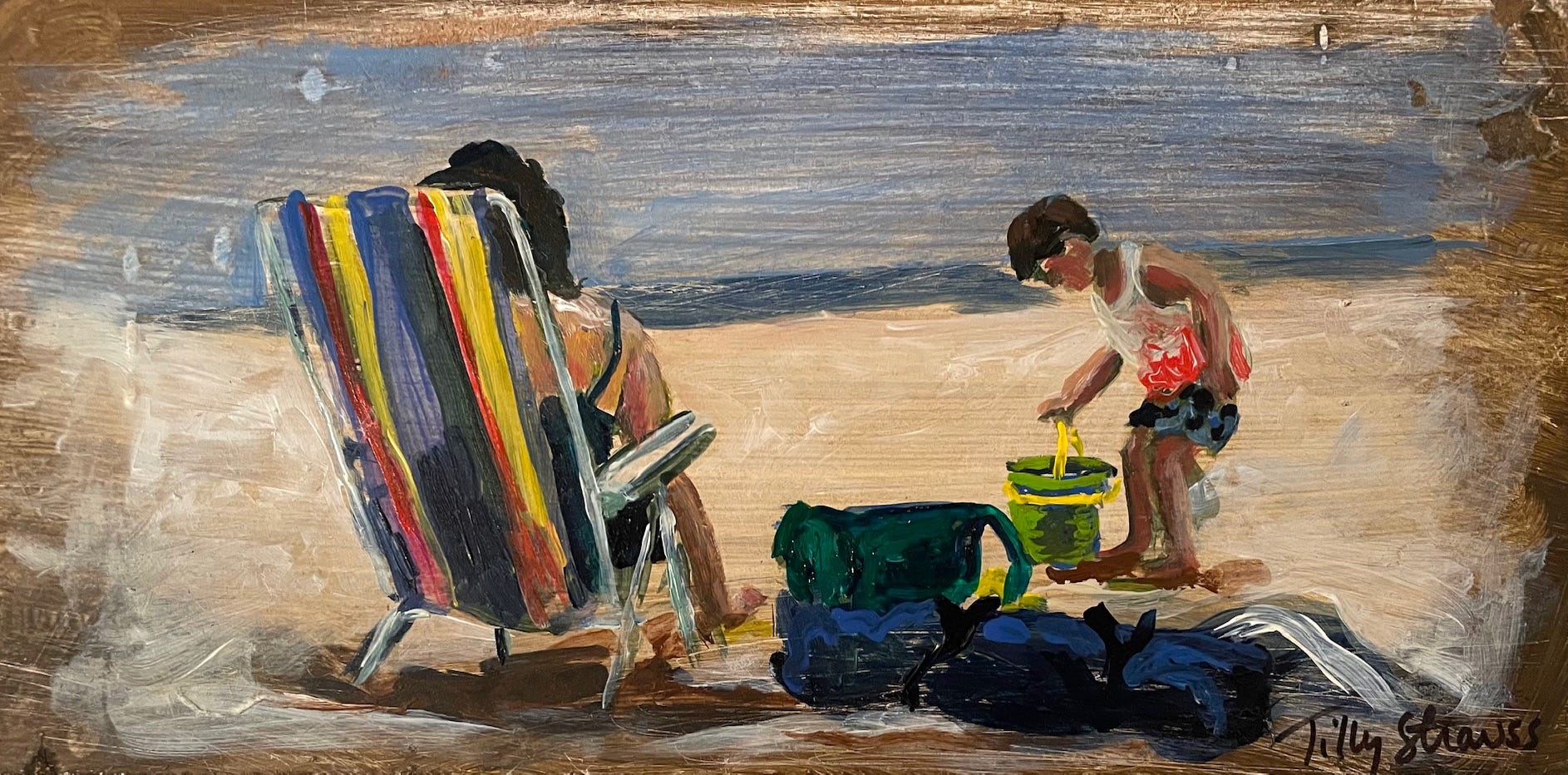
Becoming a mother is, in many ways, a lifelong lesson in release. We spend years learning how to hold, nourish, protect… and then gradually, painfully, lovingly, let go. Whether we receive help along the way should never define our worth
More about Hepworth and her studio in St Ives, England:
Thank you for reading. I hope everyone can celebrate their mother tomorrow.